

Underarm care routine: what to do daily, weekly and monthly
A simple underarm care routine, step by step, with what to do daily, weekly and monthly.
Quick answer
A good underarm care routine is short. Wash your underarms once a day with a mild cleanser, pat them completely dry, then apply a small amount of deodorant. Shave or trim at night if you remove hair, change out of sweaty clothes, wear breathable fabrics, and add a clay mask about once a month only if you like it.
What is a good underarm care routine?
A good underarm care routine is washing, drying and deodorant every day, plus a few habits around hair removal and clothing. Most people don't need more steps than that.
Your underarms are a warm skin fold with a lot of sweat glands and very little airflow. Odor comes from skin bacteria breaking down sweat, not from sweat itself, so the routine is really about two things: keeping the skin clean and dry, and keeping it comfortable.
Australian health advice says the same thing in fewer words. Healthdirect's personal hygiene guide says to shower or bathe regularly with a mild, low pH soap, dry yourself well with a clean towel, then apply deodorant to your armpits, and change into clean clothes often.
Here is the whole routine on one page.
| How often | Step | Why |
|---|---|---|
| Every day | Wash with a mild cleanser | Removes sweat, oil and yesterday's product |
| Every day | Pat completely dry | Bacteria grow faster on damp skin |
| Every day | Pea-sized amount of deodorant balm per underarm | Helps neutralise odor |
| Every day | Rinse the applicator and let it dry | Keeps the jar clean |
| After sweaty days | Shower or rinse, change your top | Removes the sweat bacteria feed on |
| Every few days (if you shave) | Shave at night, in the direction of growth | Gives skin overnight before deodorant |
| Once or twice a week (optional) | Gentle exfoliation, if your skin likes it | Lifts dead skin and leftover product |
| About once a month (optional) | Underarm clay mask | A deeper clean of oil and residue |
How should you wash your underarms?
Wash them once a day with a mild cleanser and warm water, using your hand or a soft cloth rather than a scrub. More washing isn't better if your skin starts to feel tight or dry.
Pick a plain body wash or soap you already like. The American Academy of Dermatology suggests a gentle cleanser, used only where you need it, such as the armpits, and enough to clean without a thick lather (AAD, dry skin tips). Rinse well, because leftover soap can leave skin feeling dry.
Wash again after exercise or a hot day out. The Australasian College of Dermatologists recommends washing dried sweat off after exercise or time in the heat (ACD, sweating).
If you used a natural deodorant balm the day before, a normal wash removes it. Butters and clays rinse off with soap and warm water. You don't need a special underarm wash.
Why does drying your underarms matter?
Drying matters because bacteria thrive in moist conditions, and a deodorant balm goes on and stays on best on dry skin. Pat, don't rub.
Queensland Health recommends drying off thoroughly straight after a shower to slow bacterial growth (Queensland Health, body odor). Patting with a clean towel is kinder to the skin than rubbing, which the AAD also suggests.
Give it an extra minute on humid mornings. Lift your arms, let the air get in, then apply your deodorant.
When should you apply deodorant?
Apply deodorant once your underarms are clean and fully dry, usually after your morning shower. Top up later in the day if you need to.
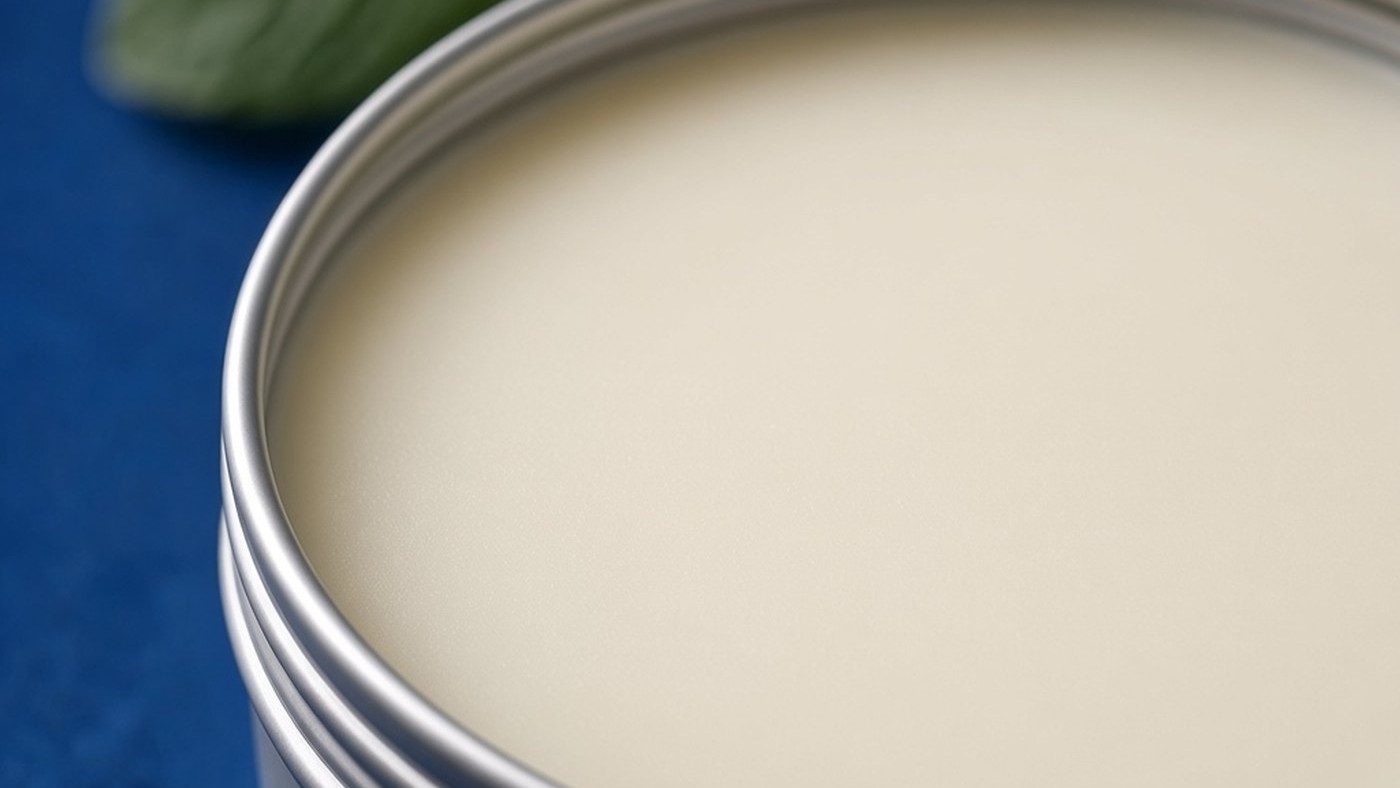
With a balm, the method is simple. Take a pea-sized amount for each underarm, warm it on your fingertips or the applicator for a few seconds, and smooth it on. Let it settle before you get dressed. Our step-by-step guide to applying deodorant balm covers the details, including what to do if the balm feels firm.
A deodorant and an antiperspirant work at different times. Antiperspirants for heavy sweating are often applied at night to dry skin, as the Fiona Stanley and Fremantle Hospitals dermatology guidelines describe (WA Health, hyperhidrosis guidelines). A deodorant balm doesn't block sweat, so morning is the natural time for it, and a midday top-up is fine on big days.
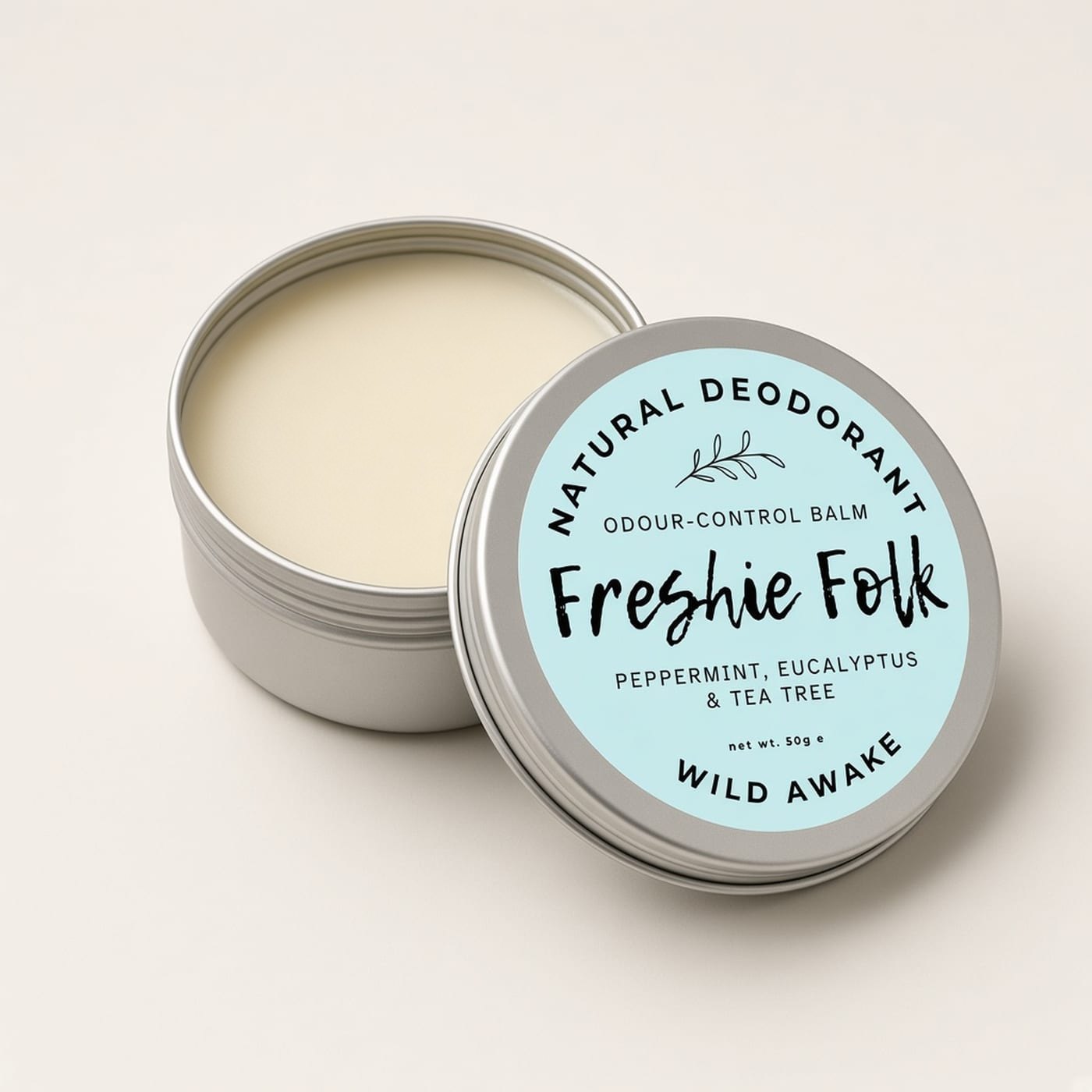
Freshie Folk balms help neutralise odor with sodium bicarbonate, and arrowroot and kaolin clay absorb some moisture. They don't stop sweat. If you're coming off an antiperspirant, our guide on how to switch to natural deodorant explains what to expect in the first few weeks.
How do you keep your deodorant and applicator clean?
Use a clean applicator or clean, dry fingertips, rinse the applicator after each use and let it dry fully before it goes back near the balm. Keep the balm somewhere cool and dry.
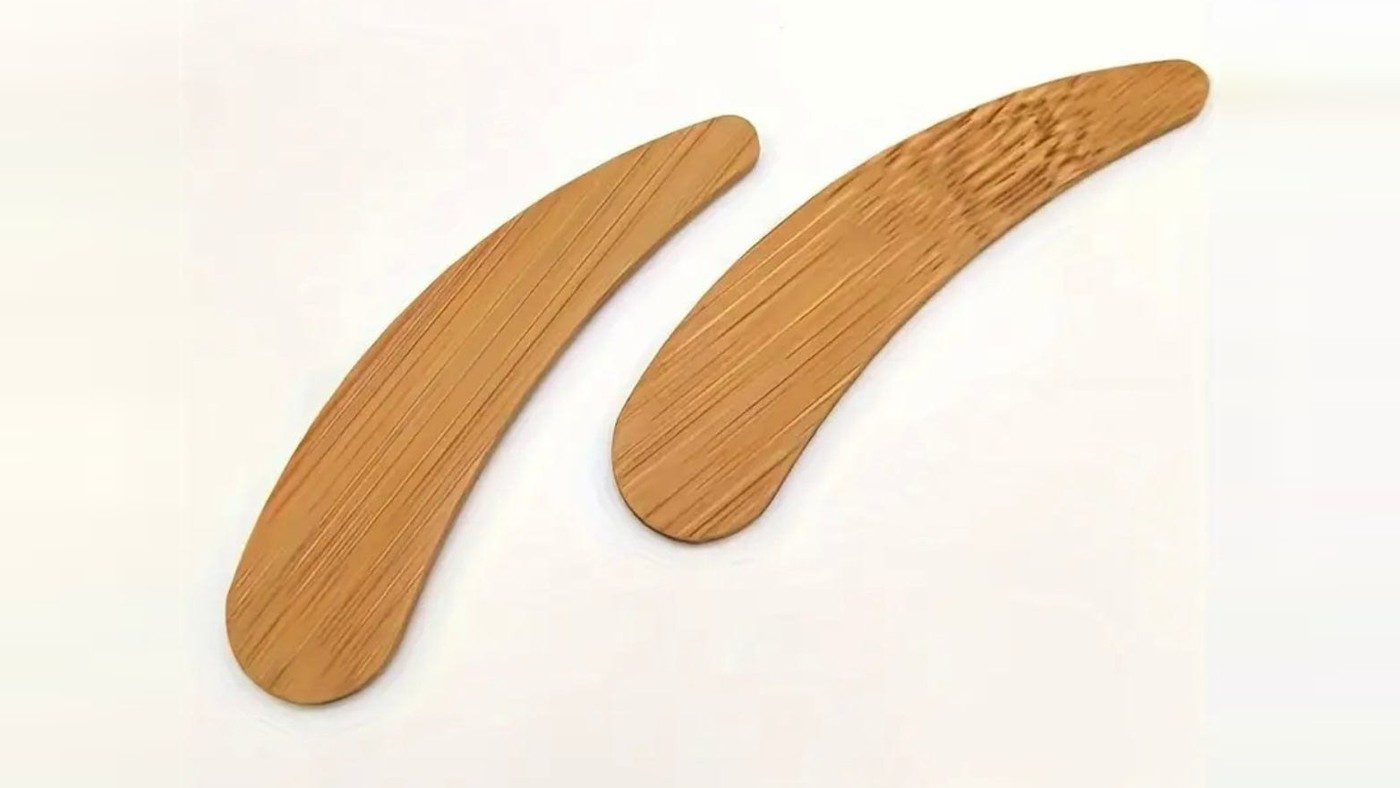
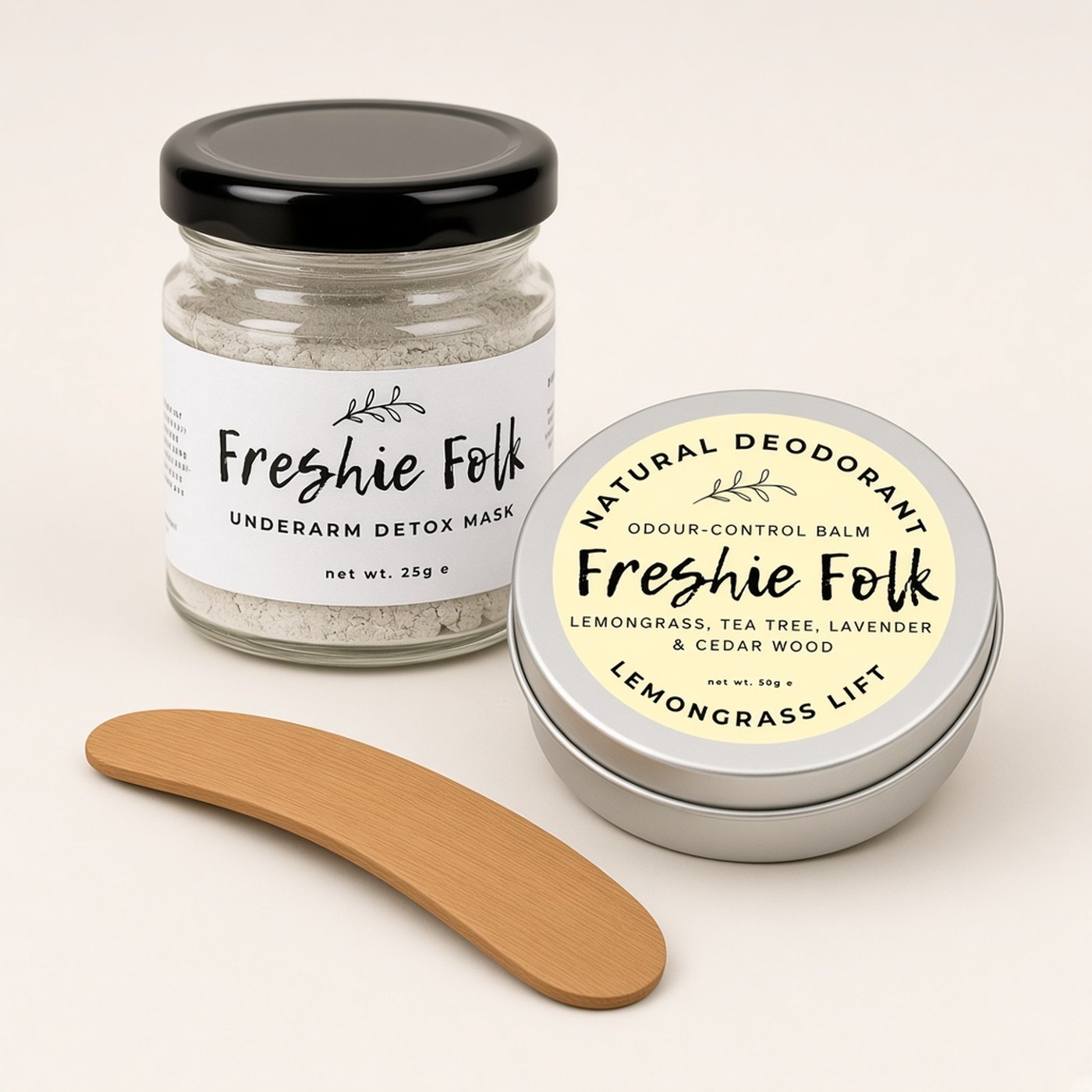
The Bamboo Applicator is a small spatula sized to fit the opening of the jar. It picks up a pea-sized amount and keeps balm out from under your nails. Rinse it with water and leave it to dry.
Storage matters too. Our label asks you to store the balm below 25°C in a dry place and use it within 6 months of opening. In an Australian summer, a cupboard is better than a sunny windowsill or the car. If the balm softens, a short spell in the fridge firms it up again.
Should you shave, trim or leave underarm hair?
It's your choice. Hair doesn't stop a deodorant working, but trimming or shaving can help with odor for some people, and shaving needs a little care.
Queensland Health notes that the apocrine glands, the ones whose sweat bacteria turn into odor, are concentrated in hairy areas, so shaving, waxing or trimming can help. Trimming with clippers is the gentlest option if you just want less hair.
If you shave, the AAD's shaving advice is a good routine:
- Soften the hair first. Shave at the end of a warm shower, when skin and hair are soft.
- Use shaving cream or gel. Never dry shave.
- Shave in the direction the hair grows. This helps prevent razor bumps and burn.
- Rinse the blade after each stroke. Change the blade or throw away a disposable razor after 5 to 7 shaves.
- Store the razor dry. Not in the shower or on a wet sink.
Then give your skin time before deodorant. Freshly shaved skin is easily irritated, and that includes bicarb. The simplest fix is to shave at night and apply your balm in the morning. Don't use a clay mask on freshly shaved skin either; wait a day.
Do your underarms need exfoliating or moisturizing?
Not always. Exfoliating and moisturizing are optional extras, useful if your underarms feel rough, dry or prone to ingrown hairs, and skippable if they feel fine.
For exfoliation, dermatologists tend to prefer gentle chemical exfoliants over rough scrubs. In Vogue, dermatologist Dr Zalka recommends a glycolic toner with no more than 5% glycolic acid (Vogue, underarm care). Dr Corey Hartman suggests low concentrations, around 2%, one to two times a week (Skin Wellness Dermatology). Keep exfoliating and shaving on different days, and stop if anything stings.
For moisture, a plain, fragrance-free body lotion once or twice a week, or when skin feels dry, is plenty for most people. Underarms are naturally damp, so they need less than your legs or hands. If your skin is irritated, the same Vogue piece suggests taking a break from shaving and deodorant until it settles.
Our balms are made with shea butter, coconut oil, cold pressed sunflower oil and vitamin E oil, so they feel soft going on. That's a cosmetic feel, not a replacement for a moisturizer if your skin is dry.
Where does an underarm mask fit?
An underarm clay mask is an optional monthly step, not a daily one. It cleans the skin's surface of oil, sweat and leftover product, and it doesn't remove toxins from your body.
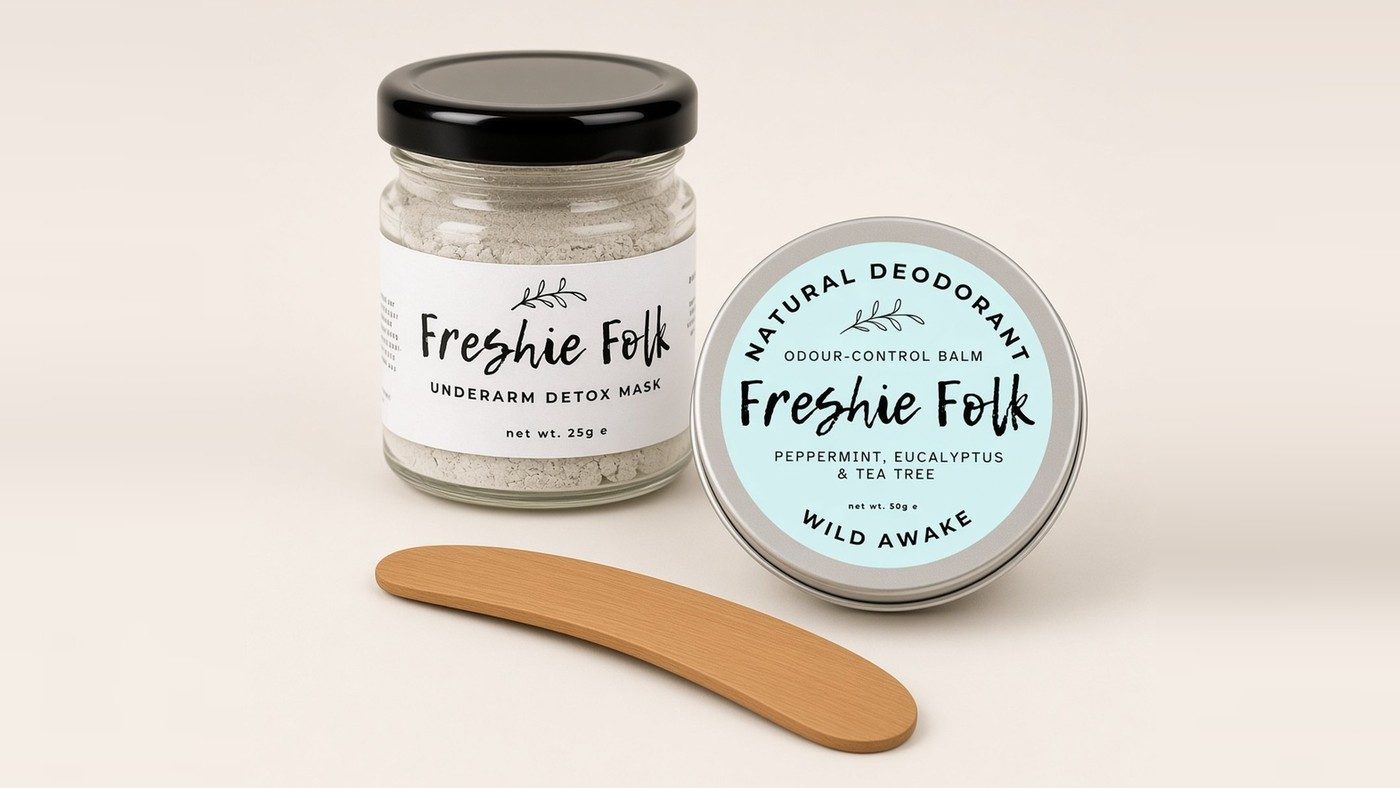
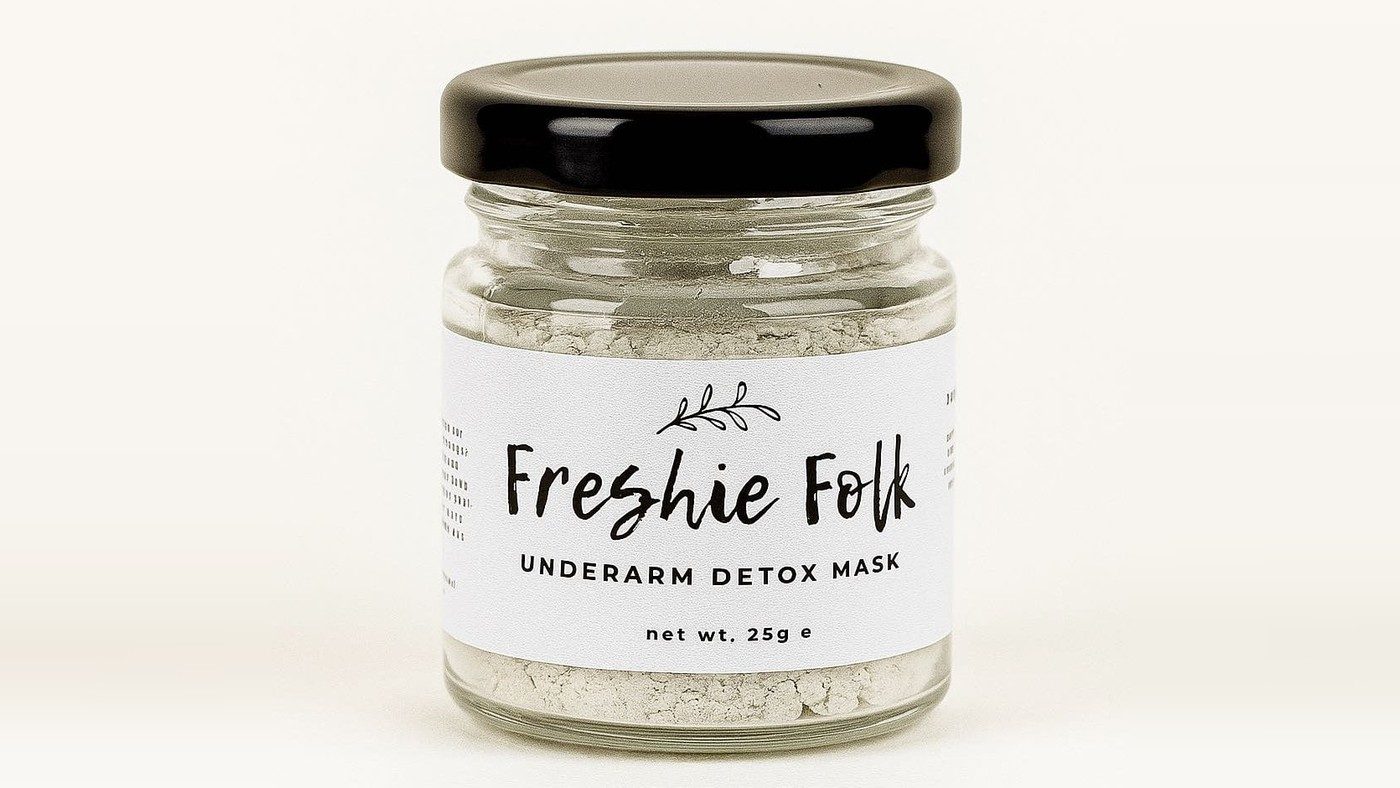
Our Underarm Detox Mask is a dry clay powder you mix fresh each time: a level teaspoon (about 2 g) with a teaspoon of water or apple cider vinegar in a glass or ceramic bowl. Spread a thin layer, leave it for 10 minutes, rinse with a warm cloth or in the shower, pat dry, and apply your balm once skin is fully dry. A 25 g jar makes about 12 masks.
Use it about once a month, or as needed, for example while you switch from an antiperspirant. Patch test on your inner arm first, and skip it on broken, irritated or freshly shaved skin. For what the science says about the "detox" idea, read our honest take on armpit detox.
Which clothes help your underarms?
Loose, breathable clothes help, because they let sweat evaporate instead of sitting on your skin. Change out of sweaty tops promptly and wash them regularly.
Natural fibres such as cotton, linen, silk and wool are a good everyday choice, and both the NHS and the ACD suggest avoiding tight clothing and choosing loose or moisture-wicking fabrics for exercise (NHS, body odor). Queensland Health adds that modern sportswear is often designed to be breathable and wick moisture, so it can work well at the gym.
Two small habits are easy to miss. Queensland Health points out that fabric softeners coat fibres and can block airflow and evaporation. And the ACD recommends changing out of sweaty clothes to reduce the risk of bacterial or yeast infections.
When should you see a GP about your underarms?
See a GP if body odor or sweating doesn't improve with a good routine, changes suddenly, or affects your daily life. The same goes for a rash that won't settle, a lump, or a change in your skin.
The NHS suggests seeing a GP if odor hasn't improved with self-care and it's affecting your self-esteem, if you notice a change in how it usually smells, or if you suddenly start to sweat much more than usual (NHS). Healthdirect also suggests speaking to your doctor if you sweat more than most people (healthdirect, personal hygiene).
Stop any deodorant that makes your skin red, itchy or sore, and let the area settle before trying again.
FAQ
How often should I wash my armpits?
Once a day is enough for most people, plus an extra rinse after exercise or a hot day. Use a mild cleanser and pat dry. If your skin feels tight or dry, wash more gently rather than more often.
Should I put deodorant on at night or in the morning?
A deodorant balm goes on in the morning, on clean, dry skin, with a top-up later if you need one. Night application is mainly advice for aluminum antiperspirants, which work by reducing sweat.
How long should I wait after shaving before applying deodorant?
Shaving at night and applying deodorant the next morning is the easiest way to give your skin a break. If you shave in the morning, wait until your skin is completely dry and calm, and skip deodorant if it stings.
Do I need a special underarm wash?
No. A mild soap or body wash and warm water are enough. Rinse well and dry thoroughly.
How often should I use an underarm mask?
About once a month, or as needed, for example while you switch from antiperspirant. It's an optional extra, not a daily step.
Does natural deodorant need a different routine?
Only slightly. Apply it to clean, completely dry skin, use a small amount, and top up on big days. It works on odor, not sweat, so expect to feel some moisture on hot days.